LINK TO ARTICLE HERE
Welcome to this blog dedicated to Corvo (Azores), its birds (autumnal rarities), and a little bit more about its birding community.
Saturday, 4 January 2020
Saturday, 30 November 2019
Autumn 2019 - Summary
As in previous years, a summary of the seasonal findings on Corvo has been compiled and is presented below.
2019 autumn at a glance:
Timing: First Waterbird species found on 26/09 (Lesser Yellowlegs/B-W Teal) and last on 26/10 (American Bittern); First landbird species found on 23/09 (Red-eyed Vireo) and last on 24/10 (Common Yellowthroat) ;
Abundance/No of species: 26 American landbird species, with a total estimated 54 different individuals; 8 American Waterbird species, with a total estimated 12 different individuals ;
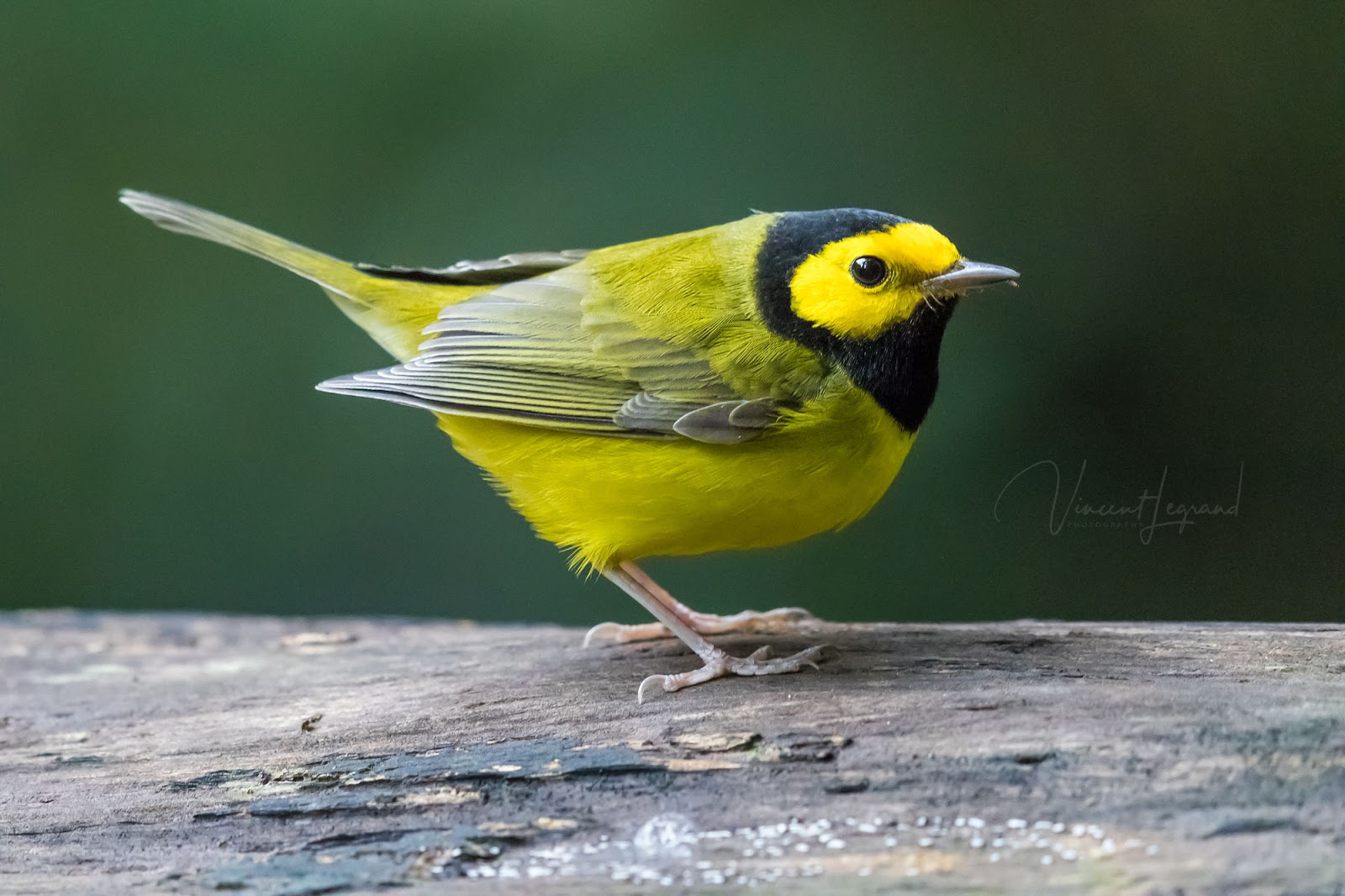
Best records: Prothonotary Warbler (1st WP record); Cape May Warbler (3rd WP record); Chestnut-sided Warbler (5th WP record); White-eyed Vireo (5th WP record); Canada Warbler (6th WP record); Hooded Warbler (7th WP record); Magnolia Warbler (10th WP record).
| Landbird species | No of ind. |
| Northern Harrier | 1 |
| Cliff Swallow | 1 |
| Buff-bellied Pipit | 2 |
| Hermit Thrush | 1 |
| White-eyed Vireo | 1 |
| Philadelphia Vireo | 2 |
| Red-eyed Vireo | 22 |
| Northern Parula | 1 |
| Black-throated Green Warbler | 1 |
| Magnolia Warbler | 1 |
| Prothonotary Warbler | 1 |
| Black-and-white Warbler | 4 |
| Chestnut-sided Warbler | 1 |
| Blackpoll Warbler | 1 |
| Cape May Warbler | 1 |
| Northern Waterthrush | 2 |
| Ovenbird | 1 |
| Common Yellowthroat | 1 |
| American Yellow Warbler | 2 |
| Canada Warbler | 1 |
| Hooded Warbler | 1 |
| Scarlet Tanager | 1 |
| Rose-breasted Grosbeak | 1 |
| Indigo Bunting | 1 |
| Dickcissel | 1 |
| Bobolink | 1 |
| Total | 54 |
| Waterbird species | No of ind. |
| Blue-winged Teal | 2 |
| American Bittern | 1 |
| Lesset Yellowlegs | 1 |
| White-rumped Sandpiper | 3 |
| Pectoral Sandpiper | 1 |
| Semipalmated Plover | 2 |
| Wilson's Snipe | 1 |
| Spotted Sandpiper | 1 |
| Total | 12 |
Tuesday, 29 October 2019
American Bittern
Most birders have now left the island as the autumn starts drawing to a close. However an American Bittern on Saturday (26th) proves that new vagrants for the year can still occur and there is always a chance of a late autumn speciality.
The last couple of days has seen a couple of European vagrants arriving including a Shelduck yesterday and a Marsh Harrier.
A Vagrant Emperor dragonfly recorded last Friday appears to be a first for the Azores. With the Green Darner earlier on in the season and now this record, that's potentially two dragonfly 'firsts for the Azores' (if accepted) in the last few weeks from Corvo.
American Bittern (Vincent Legrand)
Red-eyed Vireo (Vincent Legrand)
Common Shelduck (Vincent Legrand)
Vagrant Emperor, 25th October in the Lower Fields Tamarisks (Marcin)
Daily Logs:
26th October:
1 American Bittern (Lapa), 1 Red-eyed Vireo (unringed bird)1 Barnacle Goose, 1 Long-eared Owl
27th October:
24 Snow Bunting, 8 Pintail, 2 Blue-winged Teal, 1 Glossy Ibis, 5 Eurasian Wigeon, 1 Lesser Yellowlegs (Caldera)
28th October:
1 Shelduck,
29th October:
1 Marsh Harrier
An interesting article about a first visit to Corvo by Paul French (Chair of the British Birds Rarities Committee) HERE
Friday, 25 October 2019
Yellowthroat and Corvo ringing
It's still relatively quiet on the island but there was a new american bird yesterday in the form of a Common Yellowthroat in the village that was subsequently ringed. David Monticelli and co. are currently conducting a ringing study on Corvo aimed at monitoring the movements and duration of stay of vagrants across the island and also taking samples to determine geographical origin using isotope analysis. A Red-eyed Vireo was also ringed today at Poco d'Agua.
Otherwise still rather quiet on the western front, a few more ducks are appearing and there's been another (or the same) Long-eared Owl seen. Unfortunately the Spotted Sandpiper was looking exhausted today and was picked up this evening from the beach and has been taken to the vets.
Common Yellowthroat (above and below) (Vincent Legrand)
Red-eyed Vireo (Vincent Legrand)
Spotted Sandpiper (Vincent Legrand)
The ringing group
Daily logs:
24th October:
1 Common Yellowthroat (Village- ringed and released), 1 Spotted Sandpiper, 1 Northern Wheatear,
1 Long-eared Owl (Tennessee Valley), 1 Blue-winged Teal, 1 female Teal sp (Caldera)
25th October :
1 Red-eyed Vireo (Ringed and released at Poco d'agua) , 2 Wigeon sp (Windmills), 1 Spotted Sandpiper (taken into care), 2 Pink-footed Goose, 6 Pintail, 1 Glossy Ibis, 1 Blue-winged Teal (Caldera)
Thursday, 24 October 2019
Very quiet on the Western front
It's been a quiet few days (20th-23rd October), the highlights being Blackpoll Warbler and Philadelphia Vireo on 20th which were only seen by the finders leaving only a few birding scraps for the 50 or so birders on the island.
A timely presentation by Pierre-Andre Crochet on Sunday evening provided some much needed entertainment, a slide show and talk titled 'Chasing 900 birds in the Western Palearctic', an excellent look at Pierre's twitching career over the last couple of decades. Pierre has now seen more birds in the WP than anyone else (Rankings here ) and is currently on 885 species out of the potential 1030 on the list.
Semipalmated Plover (Vincent Legrand)
Cory's Shearwater (Vincent Legrand). Juvenile Cory's Shearwaters are currently vacating their burrows and gathering off shore (there are thousands of birds circling the island like a giant ring doughnut). Some of the juveniles get distracted by the village lights so there is a SPEA/Government led rescue programme called SOS Cargarro (Here) where the locals collect disoriented birds from the village and release them during the day to sea.
Pierre's talk, 'Chasing 900 species in the Western Palearctic' (above and below)
Daily logs:
20th October:
1 Blackpoll Warbler (Upper Cancelas), 1 Philadelphia Vireo (Da Ponte), 1 Indigo Bunting, 1 Long-eared Owl (Lighthouse Valley), 1 White-rumped Sandpiper (Reservoir), 1 Blue-winged Teal, 1 Glossy Ibis, 2 Pink-footed Goose (Caldera), 1 Alpine Swift, 1 Barnacle Goose (Village), 1 Common Scoter (past windmills), 4 Snow Bunting, 1 Lapland Bunting (reservoir)
21st October:
1 Red-eyed Vireo (Pico), 1 Alpine Swift (Village), 1 Corncrake (Power station), 2 Blue-winged Teal, 1 White-rumped Sandpiper, 2 Pink-footed Goose, 1 Glossy Ibis, 7 Pintail (Caldera), 9 Snow Bunting (reservoir)
22nd October:
1 Semipalmated Plover, 1 Spotted Sandpiper (Village), 1 Alpine Swift (Village), 2 Pink-footed Goose, 7 Pintail, 1 Glossy Ibis, 2 Blue-winged Teal, 1 White-rumped Sandpiper, 1 LesserYellowlegs (Caldera)
23rd October:
1 Semipalmated Plover, 1 Spotted Sandpiper, Scoter sp (Windmills)
Saturday, 19 October 2019
A trickle of new arrivals
Despite the unfavourable wind conditions a few more American birds were discovered today, a single Dickcissel in Upper Lapa and a Scarlet Tanager in Tennessee Valley both found by Marcin Solowiej and a Lesser Yellowlegs and White-rumped Sandpiper in the Caldera. A Meadow Pipit also found today in the Caldera is a rarer species on Corvo than the new american species.
Other species still present include:
1 North Parula (Lighthouse Valley), 1 Hermit Thrush (Fojo), 1 Indigo Bunting (Poco d'agua), 1 Red-eyed Vireo (Pico), 1 Blue-winged Teal, 1 Glossy Ibis, 2 Pink-footed Goose (Caldera), 1 Alpine Swift (village) and 1 Pomarine Skua (Channel)
Indigo Bunting (Vincent Legrand)
Hermit Thrush (Vincent Legrand)
Other species still present include:
1 North Parula (Lighthouse Valley), 1 Hermit Thrush (Fojo), 1 Indigo Bunting (Poco d'agua), 1 Red-eyed Vireo (Pico), 1 Blue-winged Teal, 1 Glossy Ibis, 2 Pink-footed Goose (Caldera), 1 Alpine Swift (village) and 1 Pomarine Skua (Channel)
Friday, 18 October 2019
A nice selection of yanks and a treat from the east
Today (18th October) the only new arrival was from Europe, a juvenile Alpine Swift, only the second record for Corvo and 14th for the Azores. However there were still a nice selection of american birds on the island with the Hooded Warbler still in Do Vinte, the Yellow Warbler still in the same area as yesterday, the Hermit Thrush still showing well in Fojo, the female Northern Parula at the Lighthouse Valley, the Indigo Bunting at Poco d'Agua, 3 Red-eyed Vireos (2 in Da Ponte and 1 in Pico), the Northern Harrier still quartering the sides of the caldera and the two Semipalmated Plover still on the airfield.
The weather is not looking particularly good over the next few days for new american arrivals but anything is possible on Corvo.
Male Hooded Warbler- this bird has been present for nearly two weeks, it was first found at the campsite in the village and then relocated to Do Vinte where photographs showed that details of the throat pattern confirmed it as the same bird. (Vincent Legrand)
Yellow Warbler, a different bird to the male in the village tamarisks. This bird is duller, not as green and lacks orange streaks on the breast (Vincent Legrand)
The Hermit Thrush again at Fojo. The pale tips to the median coverts is a feature that other catharus thrushes do not show. (Vincent Legrand)
Alpine Swift- for many this was the bird of the day; An Azores tick! (Vincent Legrand)
Subscribe to:
Posts (Atom)